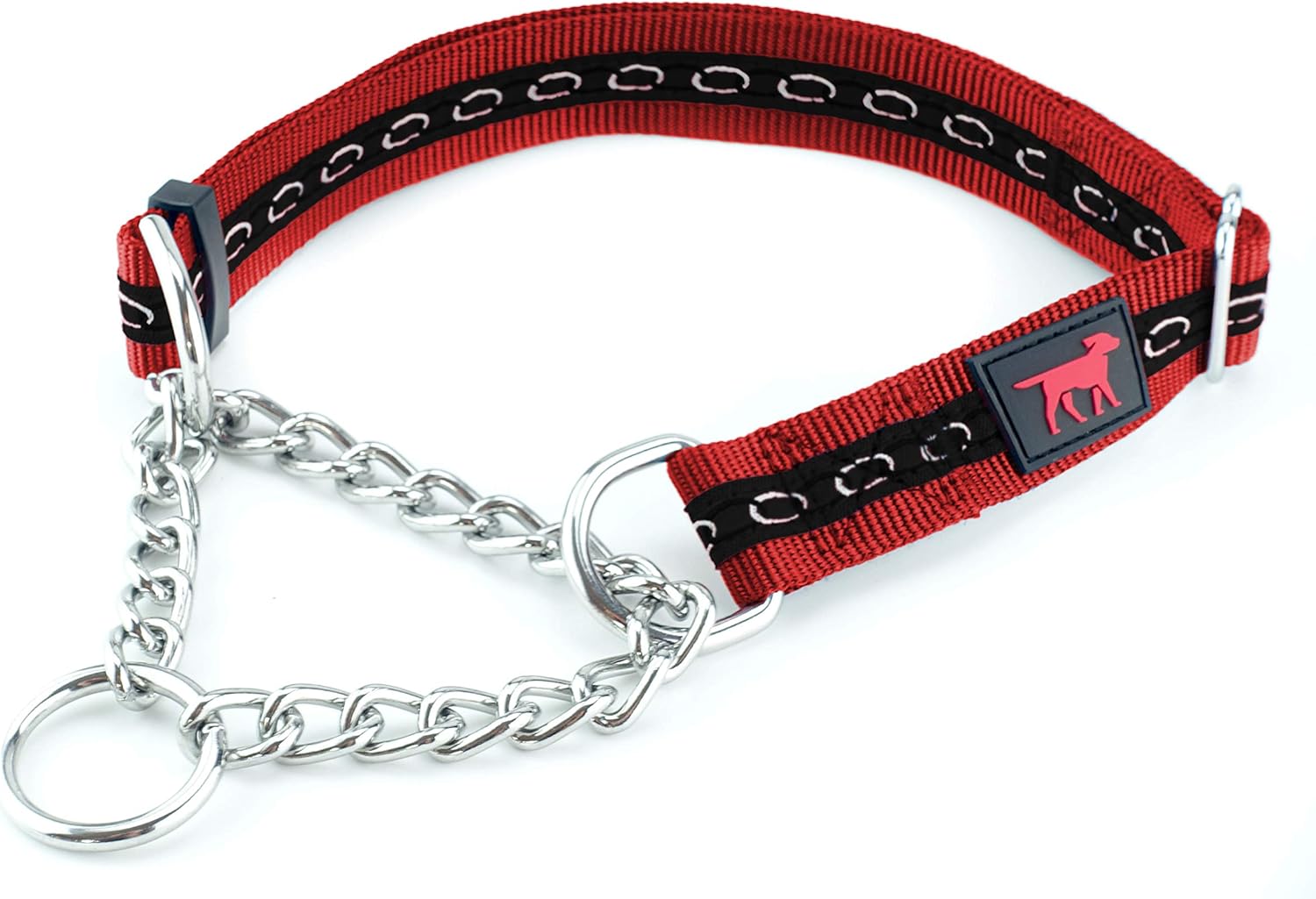
You're Treating the Symptom
Your puppy pulls on the leash. You bought a front-clip harness. You tried stopping every time the leash goes tight. You watched a video about doing a U-turn when they pull. Maybe you even tried a prong collar because someone at the dog park said it "worked for them."
None of it fixed the problem, because none of it addresses the actual problem.
Leash pulling is a symptom. The root cause is that your puppy has no idea where it's supposed to walk. You never established a reward zone. You took a puppy that has zero concept of leash pressure and spatial positioning relative to your body, attached a six-foot tether, and walked out the front door expecting it to figure out the rules of a game you never taught.
That's not a training failure on your puppy's part. That's a setup failure on yours.
What the Reward Zone Is and Why It Matters
The reward zone is a specific area next to your body, typically from your knee to your hip on one side, where good things happen. Treats appear there. Praise happens there. The walk continues from there. It's the place your puppy learns to return to because that position has a reinforcement history.
Without a reward zone, your puppy has no anchor point. The entire six-foot radius of the leash is equally valid real estate. From your puppy's perspective, three feet ahead is the same as right beside your knee. You never differentiated the two.
The reward zone isn't a trick or a technique. It's the foundation that every other leash skill builds on. Loose leash walking, heel position, directional changes, ignoring distractions while on leash: all of these require the puppy to already understand that one specific location relative to your body is the most rewarding place to be.
Skip this step and nothing else works. You're building a house without a foundation and wondering why the walls keep falling down.
How to Build the Reward Zone Before You Ever Walk
This work starts indoors with no leash. That surprises most people. They think leash training happens on walks. It doesn't. It starts in your living room.
Stand still. Reward your puppy for being at your left side. Not for sitting, not for making eye contact, just for being in that zone. Drop treats into the position. Let the puppy figure out that standing next to your left knee is a slot machine that pays out regularly.
Do this for three or four short sessions before you ever attach a leash. By the time you clip the leash on, your puppy already has a preference for that position. The leash becomes a safety tether for a puppy that already wants to be near you, not a restraint for a puppy trying to escape forward.
- Days 1-3: Static reward zone. Stand still indoors, reward for position at your side. No leash.
- Days 4-6: Add single steps. Take one step, reward when the puppy follows into the zone. Build to three steps.
- Days 7-10: Add the leash indoors. The puppy should barely notice it because the reward zone is already established.
- Days 11-14: Move to a low-distraction outdoor area. The backyard, not the busy sidewalk.
- Week 3+: Gradually increase distraction level. Each new environment resets difficulty, so lower your expectations and increase your reward rate.
Why Corrections Make Pulling Worse
When you jerk the leash, pop a correction, or use a pain-based tool to stop pulling, you're adding an aversive to the experience of being on leash. The puppy may stop pulling temporarily because it's avoiding discomfort, but you haven't taught it where to be. You've only taught it that the leash is unpredictable and sometimes painful.
This creates a dog that walks in a tense, suppressed state rather than a dog that genuinely understands loose leash walking. The difference becomes obvious the first time that dog sees a squirrel. A suppressed dog has no competing reinforcement history to fall back on. It will blow through the discomfort because the squirrel outweighs the correction. A dog with a strong reward zone will feel the pull of the distraction but also feel the pull of the reinforcement history at your side.
Corrections also damage the walk as a bonding experience. If every walk involves leash pops and tension, your puppy starts associating you with discomfort in outdoor environments. That's the opposite of what you want.
The Stop-and-Wait Method Is Incomplete
Stopping every time the leash goes tight is better than correcting, but it's still treating the symptom. Yes, it communicates that pulling doesn't get the puppy where it wants to go. But it doesn't tell the puppy where it should be instead.
Imagine someone drops you in a foreign country and every time you walk in the wrong direction, they just stop you. No map, no signs, no guidance. You'd eventually stumble into the right direction, but it would take an absurdly long time, and you'd find the whole experience frustrating and confusing.
That's what stop-and-wait feels like to a puppy without a reward zone. You're providing information about what doesn't work without providing information about what does. Pair the stop with a reward zone and now you have a complete system: pulling stops forward progress, and returning to the zone restarts it. The puppy learns both halves of the equation.
Leash Manners Start Long Before the Walk
If your puppy is already pulling, don't try to fix it on your next walk. Go back to the foundation. Spend a week building the reward zone indoors. Then move to the backyard. Then the driveway. Then the quiet end of your street.
Each new environment is a new classroom. Your puppy's reward zone understanding doesn't automatically transfer from your living room to a busy park. You have to rebuild it in layers, gradually increasing the difficulty.
This feels slow. It's actually the fastest route. Owners who skip the foundation and try to fix pulling on the walk spend months fighting the same battle every day. Owners who spend two weeks on the reward zone and progress systematically have a dog walking nicely within a month.
The question isn't whether your puppy can learn to walk on a loose leash. Every puppy can. The question is whether you're willing to go back and build the step you skipped.