Rottweiler
What sets the Rottweiler apart in training is their confidence. Unlike German Shepherds, which trend toward anxiety under pressure, Rottweilers trend toward boldness. This means fear-based reactivity is less common, but resource guarding and territorial behavior are more common. The yelp method for bite inhibition is counterproductive with this breed — a high-pitched yelp can trigger prey drive rather than social inhibition. Rottweilers require calm, clear, consistent leadership. They do not need a "dominant alpha" — they need a handler who is predictable, fair, and does not negotiate.
What rewards itself, and what the world pays for
Self-rewarding (nature, harder to change): alerting and watching, chasing, and the grab-and-hold. These reward themselves, so prevent rehearsal: no grip games, and no patrolling the fence line all day.
Paid by the outside world (nurture, easier to change): pushy behavior that works (leaning, mouthing, or barging through doors gets the dog what it wants) and barking that gets attention. Give clear structure and stop paying for pushing.
Both stacked (hardest): barking at delivery workers and guests, and resource guarding. Barking feels good, and the delivery driver leaves anyway, so the dog believes it worked. Guarding keeps the item and makes people back off. Both are the hardest group, so prevent them early with trade-ups at the bowl and calm management at the door.
How to adapt each topic for your Rottweiler
Rottweiler puppies bite hard. They have powerful jaws even at 10 weeks and they use them confidently. Do not use the yelp method with this breed — the high-pitched sound triggers prey drive in many Rottweilers, making them bite harder, not softer. Instead, use a calm, low "done" and immediately withdraw all engagement. Stand up, turn away, leave the space. Rottweilers are handler-focused enough that loss of engagement is a more effective consequence than a sound cue.
Rottweilers crate train well because they have natural den instinct and generally settle in enclosed spaces. The critical mistake is using the crate as punishment after guarding incidents or aggressive behavior. One negative crate association erodes weeks of positive conditioning. Feed all meals in the crate for the first month. Make it the best place in the house.
Rottweilers house train at an average to above-average pace. Their intelligence and desire for routine work in your favor. The consideration unique to this breed is size — a Rottweiler accident at 4 months involves significantly more volume than a small breed accident. Maintain a strict schedule and do not extend intervals too quickly just because the dog seems to "get it." Adolescent regression is common at 5 to 7 months.
Rottweiler puppies need enforced naps, but they settle more easily than high-energy herding breeds. The sleep challenge with Rotties is environmental alertness — they may wake and alert to sounds that other breeds sleep through. Use white noise and a covered crate in a consistent location. Once a Rottweiler has a routine, they are remarkably reliable sleepers.
Socialization is the second most critical topic for Rottweilers after resource guarding. Under-socialized Rottweilers do not become shy — they become dangerous. This breed needs broad, positive exposure to people of all appearances, other dogs of various sizes, and novel environments between 8 and 16 weeks. Never force a greeting — let the puppy observe and approach. Overwhelming a young Rottweiler creates a dog that preemptively aggresses rather than assesses. Daycares are inappropriate for this breed because pack dynamics with unfamiliar dogs conflict with guarding instinct.
Rottweilers are less prone to separation anxiety than companion breeds, but they can develop isolation distress when under-socialized to being alone. The bigger risk is that a bored Rottweiler left alone will become destructive on a scale that matches their size. Build alone time gradually and provide enrichment during absences. A frozen marrow bone occupies a Rottweiler far longer than a Kong.
Rottweilers are trainable, intelligent, and genuinely enjoy working with a handler they respect. The key word is respect — not fear. Harsh physical corrections do not make a Rottweiler obedient; they make a Rottweiler resentful and unpredictable. Use clear, consistent commands with fair consequences. When a Rottweiler complies, reward generously. When they do not, withhold the reward. Do not repeat commands — say it once, enforce it, then reward. This breed respects clarity above all else.
A Rottweiler pulling on leash at 100-plus pounds is a genuine safety hazard. Start leash manners from the first walk when they weigh 15 pounds. Use a front-clip harness during training but invest the time in actual loose-leash technique. This breed responds well to directional changes and stop-start methods. The unique leash challenge with Rotties is their tendency to fixate on passing dogs or strangers — address this through engagement training, not leash corrections that increase arousal.
Resource guarding is the most important behavioral topic for Rottweilers. This breed has a genetic predisposition toward guarding food, objects, and space. Begin prevention at 8 weeks with approach-and-add exercises: walk by the bowl, drop something better in, walk away. Never take food away to "show who is boss" — this is the single fastest way to create a dangerous guarder. Practice trade-ups with every high-value item. If you see stiffening, whale eye, or a freeze over a resource at any age, consult a professional immediately.
Rottweilers that are properly socialized rarely become reactive. When reactivity develops, it is typically territorial (barrier frustration at fences or windows) or handler-directed guarding (protecting the owner on leash). Prevent territorial reactivity by managing window access and fence line exposure. Prevent handler-guarding reactivity by ensuring the dog does not believe they are responsible for your safety. You lead; they follow.
Game recommendations for Rottweilers
| Status | Game / Activity |
|---|---|
| Recommended | Controlled retrieve to hand — sit to start, wait for the send, bring it back and release it into your hand; the handler starts and ends every rep, which builds impulse control without building grip |
| Recommended | Nosework and scent detection — provides mental exhaustion and builds confidence in a structured activity; Rottweilers are surprisingly capable scent workers |
| Recommended | Obedience-based games — heel work as a game with variable rewards, position changes (sit, down, stand) with food, structured place training; this breed genuinely enjoys working |
| Limit | Fetch — Rottweilers enjoy it but can become possessive of the ball; always require a clean out before the next throw to prevent guarding escalation |
| Limit | Free play with unfamiliar dogs — Rottweilers are selective and not every dog is a safe playmate; structured playdates with known, compatible dogs only |
| Avoid | Squeaky toys — the high-pitched sound combined with moderate prey drive and strong bite force creates a destroy-and-consume cycle; squeakers are foreign body surgery risks with this breed's jaw power |
| Avoid | Wrestling and roughhousing — teaches a 100-plus pound dog that physical confrontation with humans is play; this is a liability with a breed that already carries guarding instinct |
| Avoid | Tug of war in any form — with or without rules, tug is grip-and-hold training: it builds jaw strength, teaches the dog to bite down and hang on, and spikes arousal. In a 100-plus pound guardian breed, that is the last genetic trait you want to exercise |
What Rottweiler owners deal with most
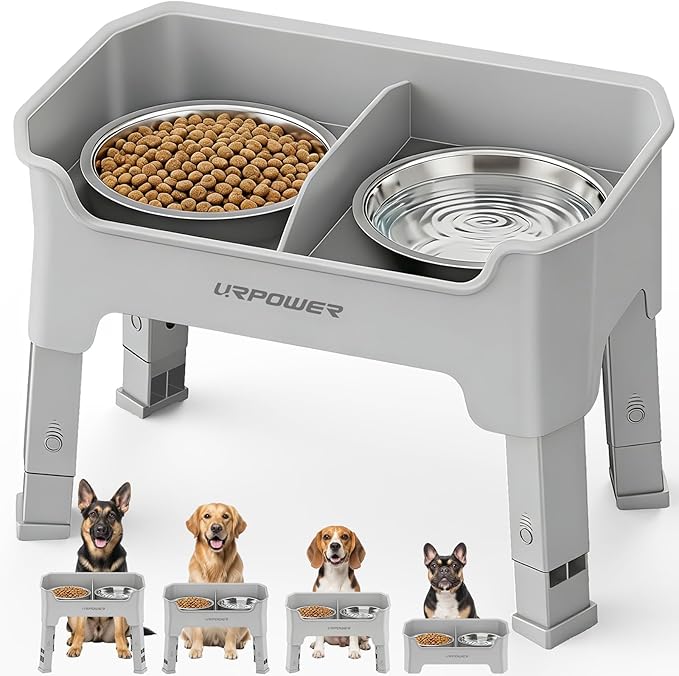
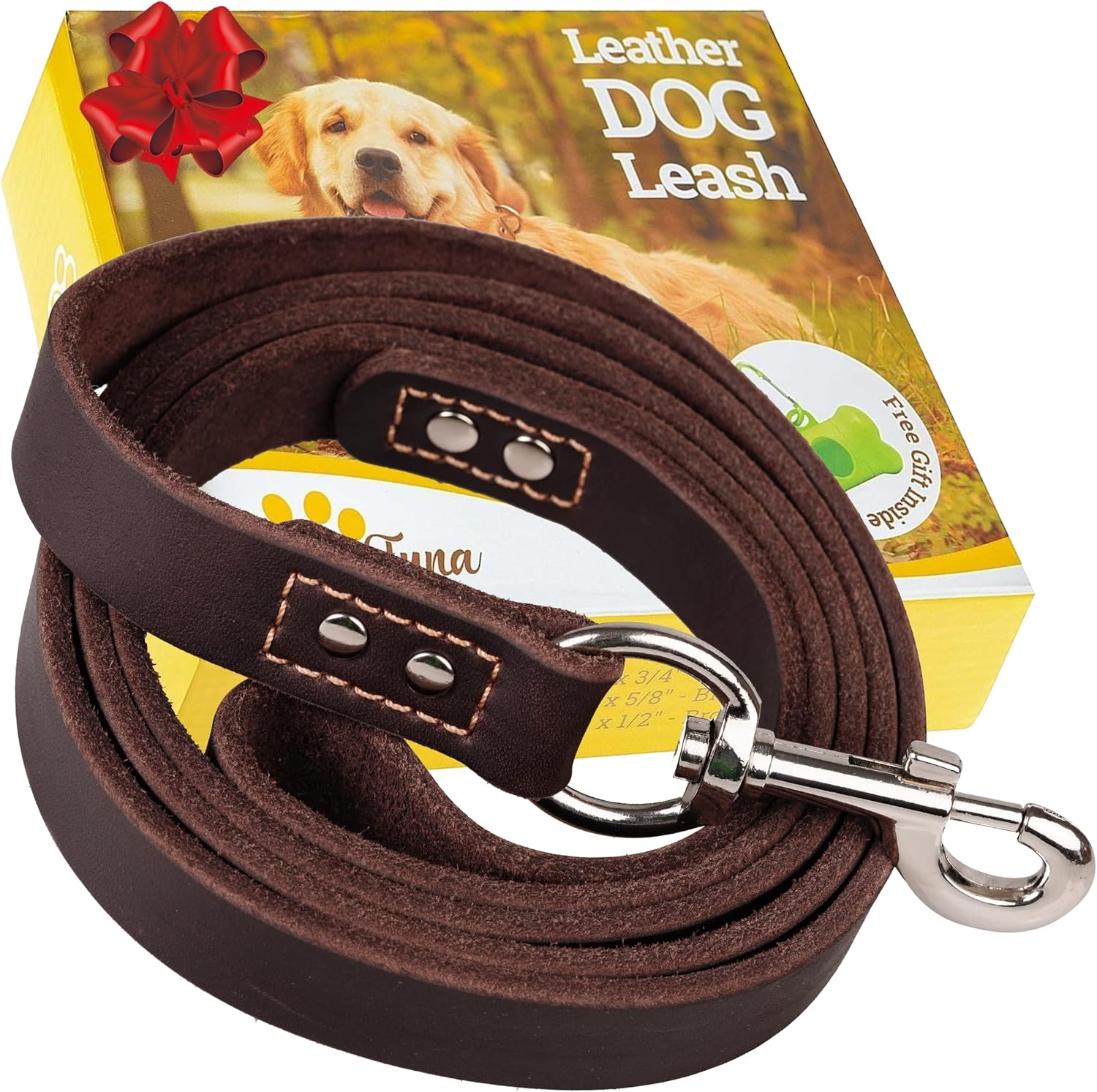
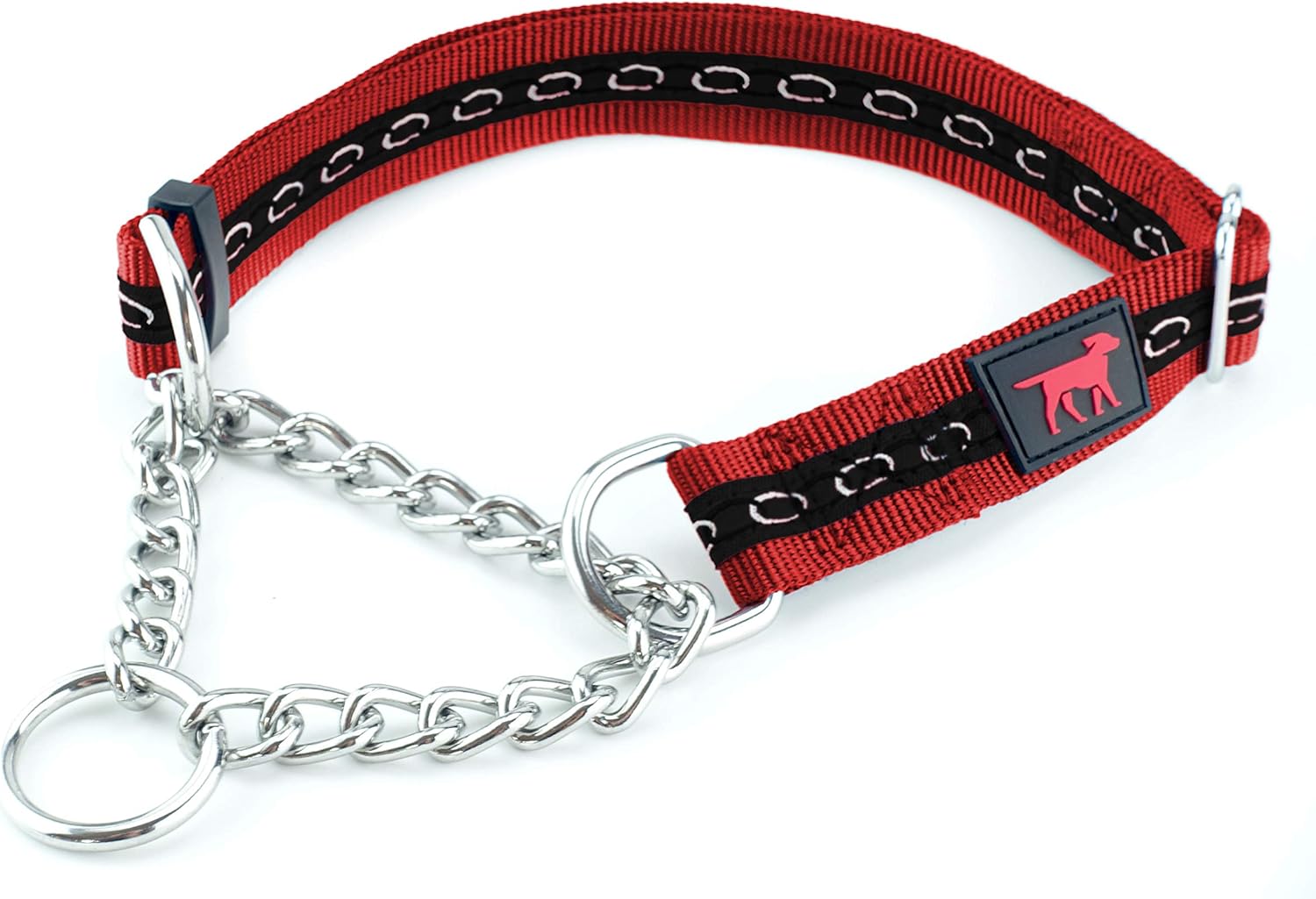
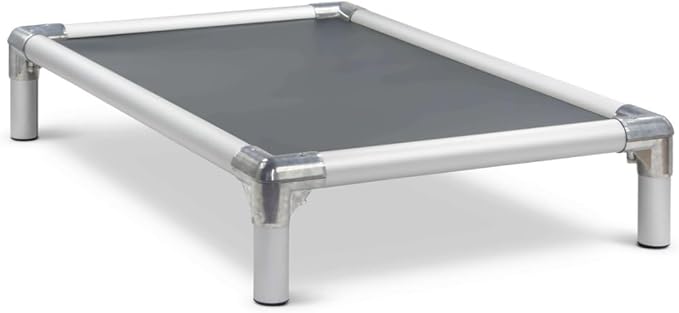
Gear for your Rottweiler
What Boston Dogtor actually uses