Golden Retriever
The other defining training characteristic of Goldens is their attachment intensity. They bond deeply and quickly, which is the trait that makes them exceptional service dogs and therapy dogs. The flip side is that this attachment creates a higher-than-average risk of separation anxiety. A Golden that has not been taught to exist independently of its owner by 16 weeks will struggle with alone time for years. Start separation training early and treat it with the same urgency as bite inhibition.
What rewards itself, and what the world pays for
Self-rewarding (nature, harder to change): carrying and mouthing, sniffing, and closeness to their people. Being near you is rewarding on its own, which is why clinginess can slide into separation distress if alone time is never practiced.
Paid by the outside world (nurture, easier to change): pawing, whining, and nudging that work because someone responds, and restlessness that gets rewarded with play. Change who pays and these fade fast.
Both stacked (hardest): separation distress and resource guarding. Distress feeds itself once it starts, and your return ends it every time. Guarding rewards itself when the dog keeps the item, and people backing away pays it again. Prevent both early: practice short absences from week one and trade for items instead of taking them.
How to adapt each topic for your Golden Retriever
Goldens have among the softest mouths in the dog world — they were bred to carry shot birds without puncturing skin. Bite inhibition training progresses rapidly. The yelp method is highly effective because Goldens are emotionally attuned to your discomfort. The risk is that owners never enforce a true zero-teeth-on-skin rule because Golden mouthing feels like gentle gumming. Set the boundary anyway.
Crate training Goldens requires extra attention to the emotional component. This breed will cry not because they dislike the crate, but because they dislike being separated from you. Do not let crying manipulate you into releasing them — but also do not let them cry for 45 minutes. Use graduated absences: 30 seconds, 1 minute, 3 minutes, building duration only when the dog is calm. A stuffed Kong is your best friend here.
Goldens house train at an average pace. Their desire to please makes them responsive to praise after outdoor elimination, but their emotional sensitivity means that scolding for indoor accidents causes hiding and sneaking rather than learning. If you catch an accident in progress, interrupt calmly and redirect outside. Never rub their nose in it — this advice is bad for every breed but catastrophic for Goldens.
Golden puppies crash hard once they stop moving, which makes the enforced nap schedule easier than with Labs. The challenge is that they may cry when crated for naps because the separation is the issue, not the tiredness. Place the crate in a common area during the day so they can see household activity. Gradually move it to a quieter location as they mature.
Goldens are naturally social and approach the world with curiosity rather than fear. The socialization priority for this breed is not "make them friendly" — they already are. It is "teach them that not every person and dog is there for them to interact with." Passive socialization (observing from a distance without engaging) is more valuable than active greeting for Goldens. Daycares will turn your Golden into a dog that melts down when they see another dog and cannot say hello.
This is the highest-priority topic for Golden Retrievers. Separation anxiety in Goldens is not situational — it is a breed tendency rooted in the same genetics that make them outstanding companion dogs. Begin alone-time training from day one. Leave the room for 10 seconds and return. Build duration before distance. If your Golden cannot handle you going to the bathroom alone by 12 weeks, you are behind schedule.
Goldens are among the most trainable breeds alive. They want to work for you, and food plus praise is an unbeatable combination. The training trap is that Goldens learn so willingly that owners mistake compliance in low-distraction environments for true reliability. Proof every command in progressively challenging environments. Also, keep sessions upbeat — a frustrated tone will shut a Golden down faster than any distraction.
Goldens pull on leash less aggressively than Labs but still have the physical build to do damage. The bigger leash issue with Goldens is social pulling — lunging toward every person and dog to say hello. This is friendliness, not aggression, but at 65 pounds it does not matter. Train a "watch me" on leash before you need it, not after they have dragged you across a parking lot.
Goldens are generally low risk for resource guarding, but it does appear in certain lines — particularly English cream Goldens. If you see stiffening over food or toys at 8 to 10 weeks, begin trade-up exercises immediately. Do not use the "hand in the bowl" method with a puppy showing early guarding signs — approach and add something better instead.
Goldens rarely develop fear-based reactivity. The reactivity risk is frustration-based: they want to greet and cannot, which produces lunging and barking that looks aggressive but is not. Prevent this by rewarding disengagement from stimuli starting at 10 weeks. Every time your Golden sees a dog and looks at you instead, mark and reward. Build the habit before adolescent hormones complicate it.
Game recommendations for Golden Retrievers
| Status | Game / Activity |
|---|---|
| Recommended | Structured retrieve with hand delivery — plays directly to genetic retrieve instinct while reinforcing impulse control and handler focus |
| Recommended | Hide and seek with family members — channels social attachment into a structured game that also builds recall |
| Recommended | Nosework and puzzle feeders — Goldens excel at scent work and it provides critical mental exhaustion without physical over-arousal |
| Limit | Off-leash dog play — Goldens love it but it builds dog-focus at the expense of handler-focus; limit to structured playdates with known dogs, not daycare free-for-alls |
| Avoid | Squeaky toys during training — the prey-drive stimulation from squeakers creates arousal that overrides the Golden's natural biddability; use them sparingly if at all |
| Avoid | Chase games without rules — running away from your Golden teaches them that chasing you is the game; always end chase games with a recall to you and a reward for coming |
| Avoid | Tug of war — tug is grip-and-hold training: it builds jaw strength, teaches the dog to bite down and hang on, and spikes arousal; it turns the Golden's soft retrieve mouth into a hard one. Play retrieve-to-hand and search games instead |
What Golden Retriever owners deal with most
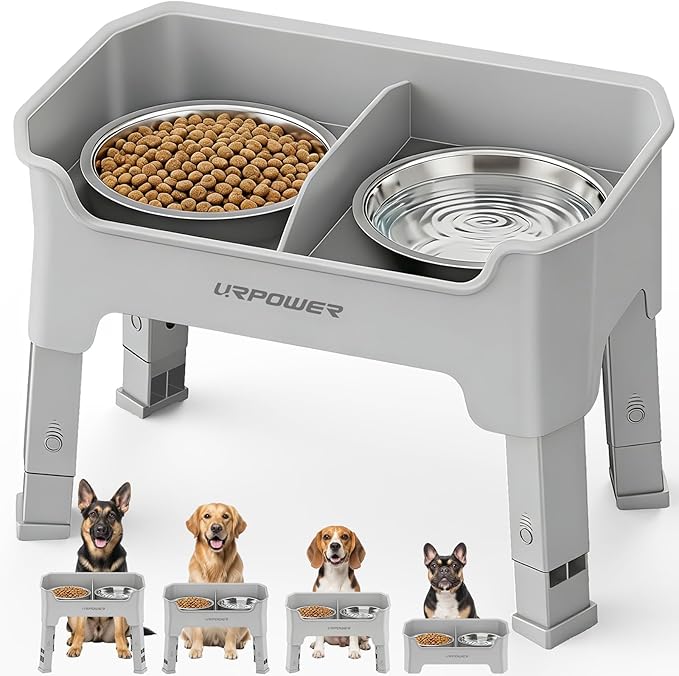
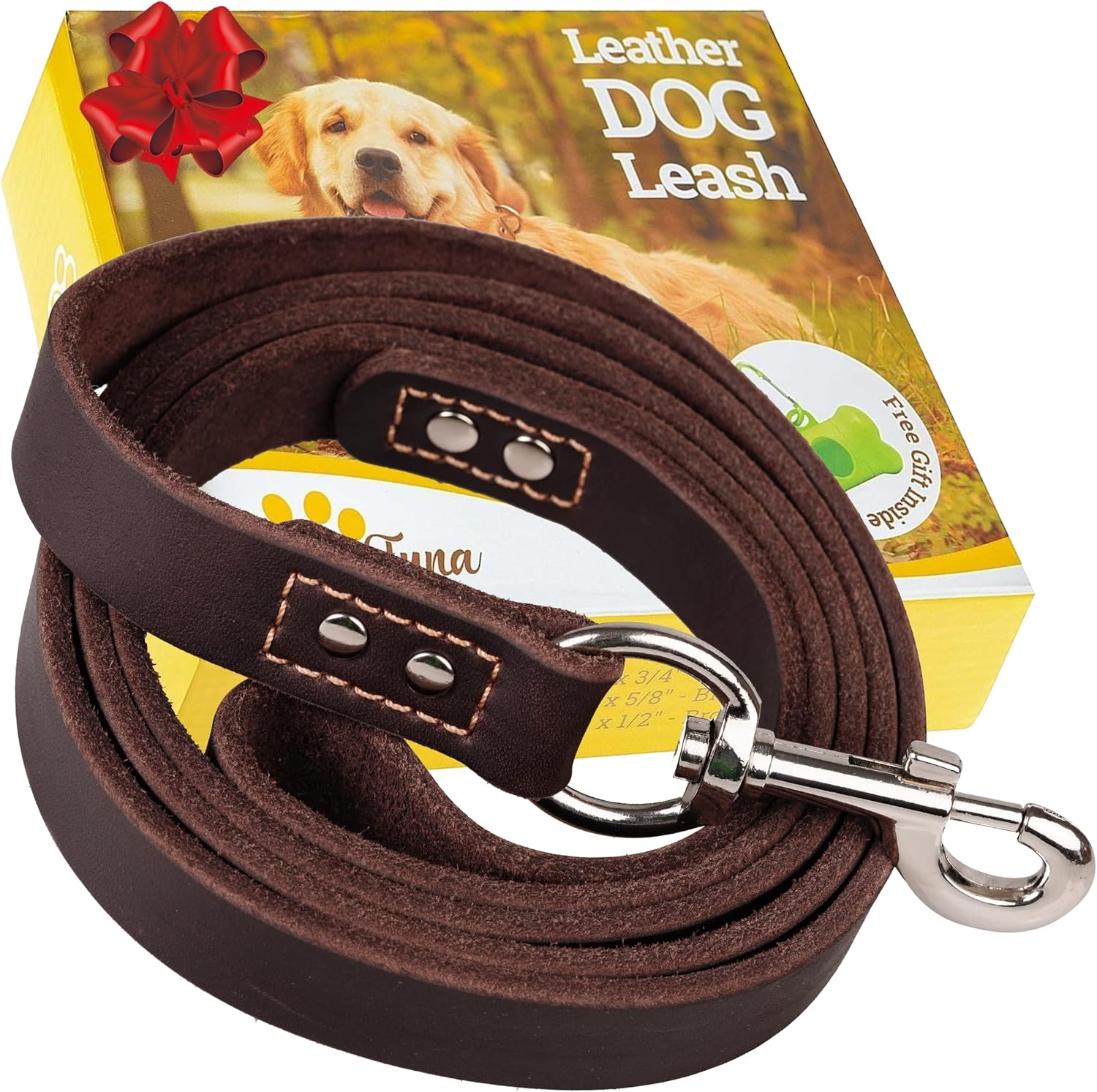
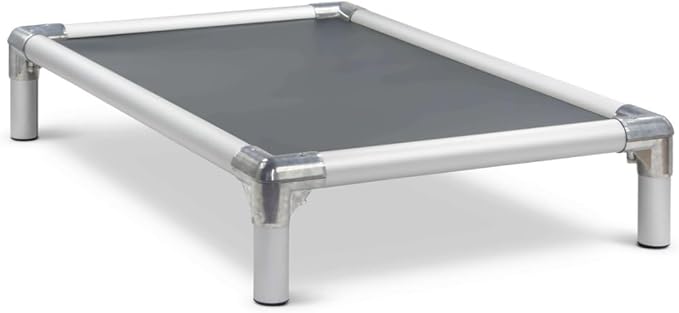
Gear for your Golden Retriever
What Boston Dogtor actually uses