German Shepherd
What makes German Shepherds unique in training is the combination of extreme intelligence and extreme sensitivity. These dogs learn faster than almost any breed, which means they learn bad habits just as quickly as good ones. They also go through pronounced fear periods — typically at 8 to 11 weeks and again at 6 to 14 months — where a single bad experience can create lasting reactivity. Reactivity prevention is not just one topic for this breed; it is the lens through which every other topic should be filtered.
What rewards itself, and what the world pays for
Self-rewarding (nature, harder to change): chasing and nipping at movement, scanning and alerting, and the grab. These reward themselves every time, so they are the harder group. Stop rehearsals early, interrupt before the chase starts, and give the drive a nose job or a controlled retrieve.
Paid by the outside world (nurture, easier to change): barking at guests that ends when the guest is let in, pulling toward things the dog wants, and demand behavior that gets attention. Find what pays and change it.
Both stacked (hardest): leash and fence reactivity. Lunging and barking feel good to an aroused dog, and the other dog or person moving away pays it again from outside. That is why calm, structured exposure in the first months matters so much. Do not punish alerting; manage distance and give the dog a different job.
How to adapt each topic for your German Shepherd
German Shepherd puppies bite hard and frequently — this is herding nip instinct combined with teething, not aggression. The yelp method is inconsistent with this breed because some GSD puppies escalate in response to high-pitched sounds (prey response). Use a calm interruption: say "done," withdraw all engagement, and leave the space for 10 seconds. Physical corrections will backfire and create a dog that bites harder out of defensive stress.
GSDs take to crate training well because they have strong den instinct. Make the crate a genuinely positive space — feed meals inside, offer high-value chews exclusively in the crate. The mistake GSD owners make is using the crate as punishment after destructive behavior. One negative crate association can undo weeks of conditioning with this breed.
German Shepherds house train efficiently due to their intelligence and desire for routine. Establish a rigid schedule and they will conform quickly. The common regression happens during the adolescent fear period (6 to 14 months) when environmental anxiety can cause indoor accidents — this is stress-related, not a house training failure. Do not punish it; address the underlying anxiety.
GSD puppies are wired for alertness, which means sleep does not come easily in stimulating environments. Place the crate in a quiet, low-traffic area and use a crate cover to reduce visual stimulation. White noise can help mask household sounds that trigger the alert response. Enforce naps strictly — an overtired GSD puppy becomes a reactive, nippy nightmare.
This is the most critical topic for German Shepherds. Under-socialized GSDs become reactive. Traumatically socialized GSDs also become reactive. The window is narrow and the margin for error is small. Focus on positive exposure to novel environments, surfaces, sounds, and people at a distance the puppy is comfortable with. Never flood a GSD puppy — no crowded pet stores, no forced greetings with strangers, no dog parks. Controlled exposure at the dog's pace. Daycares are actively dangerous for this breed because they consume pack trust instead of building it.
GSDs bond deeply with their handler and can develop separation anxiety, though it typically manifests differently than in Goldens. A GSD with separation distress becomes destructive and vocal, but may also develop barrier aggression (attacking the crate or door). Build alone time gradually and pair departures with high-value frozen Kongs. If you see crate destruction, address the anxiety before it generalizes.
German Shepherds are among the most trainable breeds on earth when the handler is clear and consistent. They thrive on structured training with defined rules. The mistake is relying purely on food motivation — GSDs work for the relationship as much as the treat. Build engagement through play and praise alongside food rewards. Keep sessions to 10 to 15 minutes maximum; this breed gets mentally fatigued and will shut down or become frustrated.
GSDs are naturally attentive to their handler on leash, which is an advantage, but they are also scanning the environment constantly for threats. Leash reactivity in GSDs is the most common behavioral complaint and it starts with tension on the leash paired with environmental triggers. Walk on a loose leash from day one. When your dog alerts to something, redirect before they hit threshold. Once they are barking and lunging, learning has stopped.
Resource guarding in German Shepherds is less about food and more about space and handler. Some GSDs will guard their person from other dogs or family members. This is not cute — it is a liability. Address it early by ensuring the dog does not control access to you. Practice having other family members deliver high-value rewards while you step away.
Reactivity prevention is arguably the single most important training objective for German Shepherds. This breed is genetically predisposed to suspicion, and without careful socialization and exposure work, that suspicion becomes lunging, barking, and aggression toward anything unfamiliar. Begin counter-conditioning to novel stimuli at 8 weeks. Create positive associations with strangers at a distance. Never force your GSD to "say hi" to anyone. If your puppy retreats, let them retreat — pressuring a fearful GSD creates a dangerous adult dog.
Game recommendations for German Shepherds
| Status | Game / Activity |
|---|---|
| Recommended | Controlled retrieve to hand — sit, wait, send on cue, bring it back and release it into your hand; gives the GSD real work while building the clean out this breed must have, without building grip |
| Recommended | Nosework and tracking games — channels mental energy into a structured task that builds confidence without physical overstimulation |
| Recommended | Obedience-based food games — sit-stay-release for meals, find-it with kibble; leverages work drive and strengthens handler focus |
| Limit | Fetch — GSDs can become obsessively ball-focused; use fetch as a reward for obedience, not a standalone activity, and always end the session before the dog checks out mentally |
| Limit | Wrestling and roughhousing — triggers herding nip instinct and teaches the dog that physical conflict with humans is a game; too risky for a breed with this bite force |
| Avoid | Squeaky toys in unstructured play — prey drive in GSDs is already high and squeakers push arousal past the threshold where the dog can think; save squeakers for controlled reward contexts only |
| Avoid | Chase games where the dog pursues a person — reinforces predatory chasing behavior in a breed that already has strong prey drive; if you play chase, the dog should be running TO you on recall, not after you |
| Avoid | Laser pointers — creates obsessive light-chasing behavior that is virtually impossible to extinguish in high-drive breeds; never use with GSDs |
| Avoid | Tug of war, flirt poles, and hanging toys — tug is grip-and-hold training: it builds jaw strength, teaches the dog to bite down and hang on, and spikes arousal. In a breed with GSD bite force and drive, those habits come back out under stress. Keep these genetics quiet rather than exercising them |
What German Shepherd owners deal with most
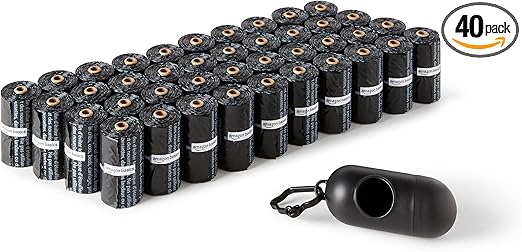
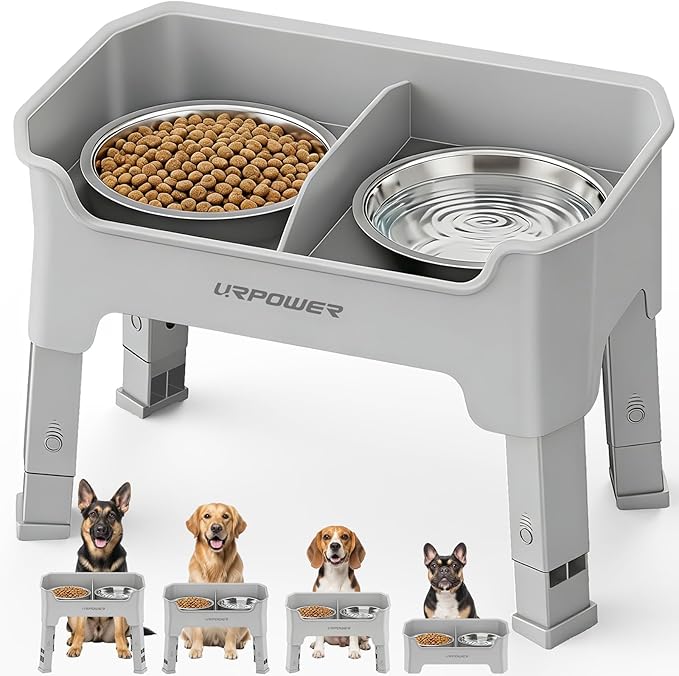
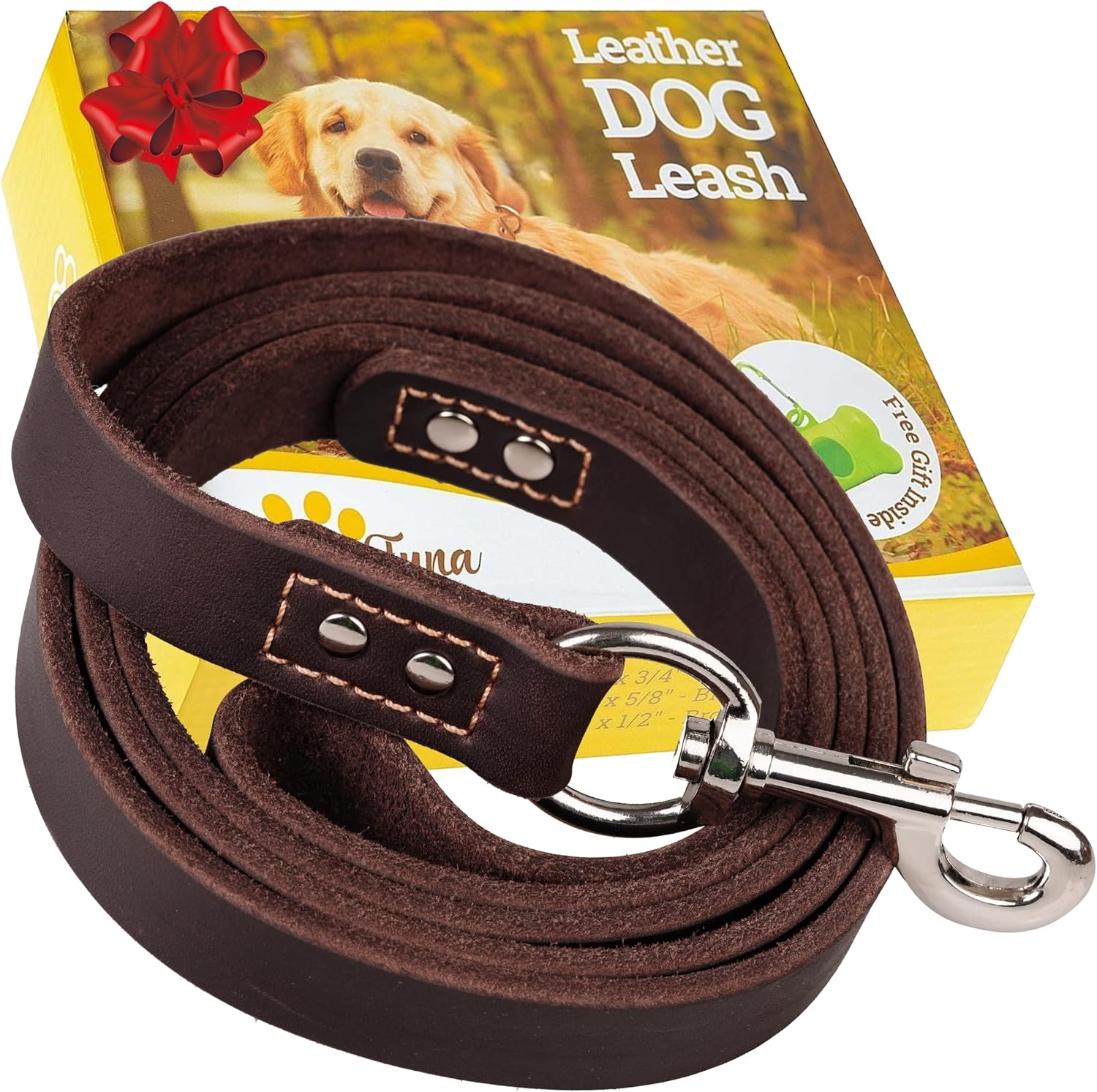
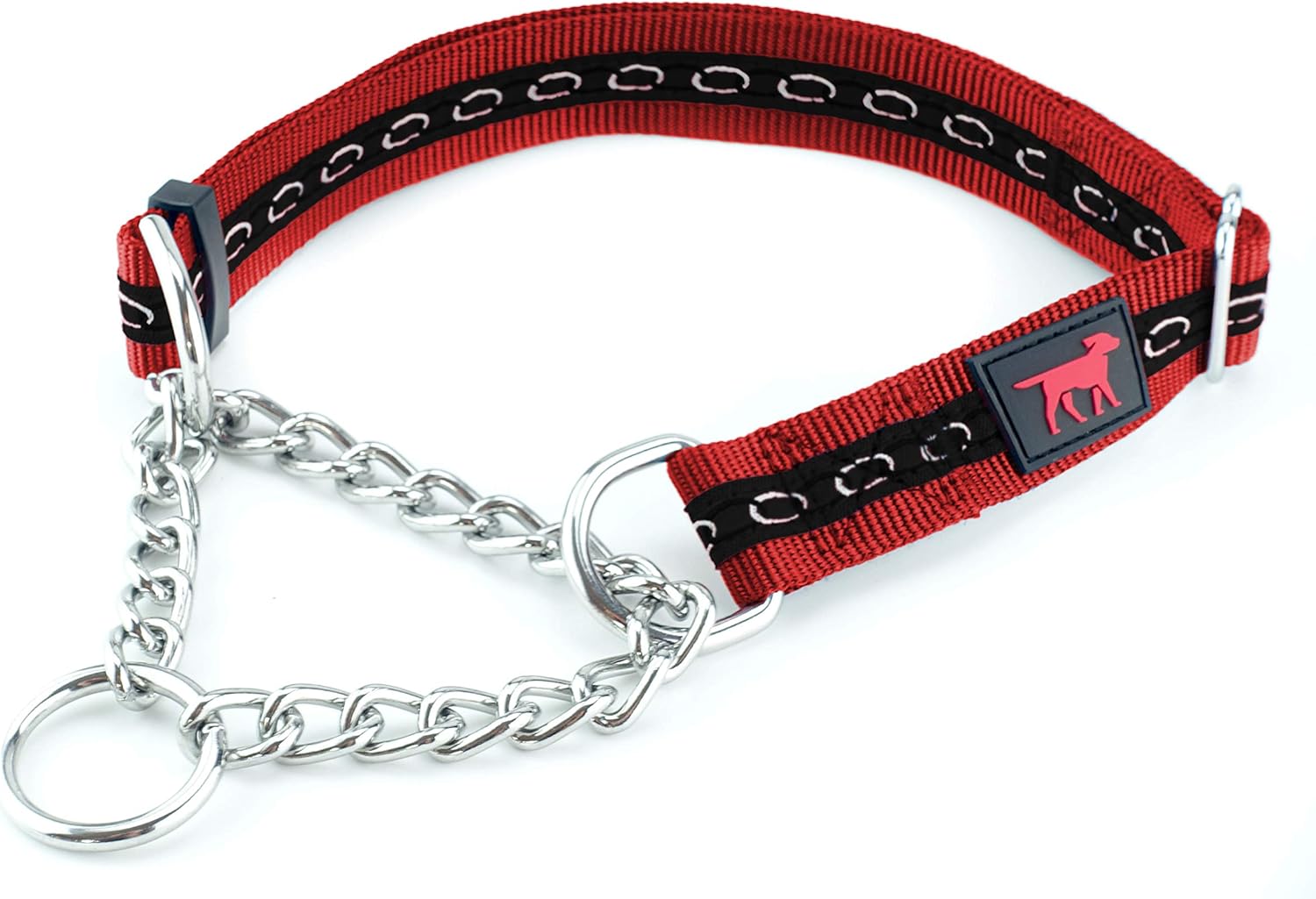
Gear for your German Shepherd
What Boston Dogtor actually uses