Dachshund
The other defining factor in Dachshund training is spinal health. Intervertebral disc disease (IVDD) is extremely common in this breed due to their elongated body and short legs. This is not just a health concern — it directly impacts training methodology. Physical corrections that involve pushing, pulling, or repositioning the dog carry a real risk of spinal injury. Jumping on and off furniture creates compressive forces on the spine. Even some play activities need modification. Every training technique you apply to a Dachshund must pass through the filter of spinal safety.
What rewards itself, and what the world pays for
Self-rewarding (nature, harder to change): digging, sniffing, the grab-and-shake, and alert barking. These pay for themselves, so they are slower to change. Give digging and sniffing a legal outlet and skip games that rehearse the shake.
Paid by the outside world (nurture, easier to change): demand barking, house-training accidents where going indoors simply works, and snapping that gets the dog put down or left alone. What looks like stubbornness is usually a payoff you have not found yet.
Both stacked (hardest): small-dog snappiness and guarding. Snapping releases tension, and the person pulling away pays it again. Carrying and coddling instead of training is how it gets built. Keep the dog on four feet and teach rather than appease.
How to adapt each topic for your Dachshund
Dachshund puppies are small but their bite is surprisingly sharp and their prey drive makes mouthing more intense than other toy breeds. The yelp method can work, but some Dachshunds interpret it as prey squealing and escalate. If yelping increases the biting, switch to a calm withdrawal method. The critical consideration is physical: never physically correct a Dachshund for biting by grabbing their muzzle or pushing them away — the force applied to their elongated spine from sudden movements creates injury risk.
Dachshunds crate train well when the crate is positioned as a den — their burrowing instinct makes enclosed dark spaces appealing. Use blankets draped over the crate and soft bedding inside. The crate should be appropriately sized (small and snug). The most common mistake is a crate that is too large, which removes the den feeling. Ensure the crate is at floor level — never on an elevated surface that requires jumping to enter or exit.
Dachshunds are notoriously difficult to house train. This is the number one behavioral complaint from Dachshund owners and it has real basis — their small bladders, proximity to the ground (making accidents less visible), and independent nature all work against rapid house training. Expect 4 to 6 months minimum. Use a rigorous schedule, confine when unsupervised, and clean every accident with enzymatic cleaner. Consider belly bands for male Dachshunds during the training period to protect your floors while the behavior develops.
Dachshund puppies are good sleepers when given a den-like environment. Their burrowing instinct means they often self-settle under blankets or in covered crates. The sleep routine challenge is not the dog refusing to sleep — it is the dog sleeping in your bed from night one and then screaming when you attempt crate training later. Start in the crate from the first night. Provide a burrowing blanket inside for comfort.
Dachshunds can be suspicious of unfamiliar dogs and people, particularly dogs that are significantly larger. This is not fear — it is a bold breed that recognizes size disparity and responds with defensive aggression rather than submission. Socialize with appropriately sized dogs in controlled settings. Avoid dog parks where large dogs may inadvertently injure your Dachshund's spine during play. Controlled exposure to larger dogs at a safe distance builds confidence without physical risk.
Dachshunds bond closely with their primary handler and moderate separation anxiety risk exists. It typically manifests as barking and destructive digging (on furniture, at doors, in crates). Build alone time gradually from day one. The den-like crate setup helps because the enclosed space satisfies the burrowing instinct and reduces visual stimulation that triggers alert barking.
Training a Dachshund requires accepting that compliance will come slower and less reliably than with handler-focused breeds. This is not a training failure — it is the reality of an independent hunting breed. Use high-value treats (real meat, not kibble), keep sessions to 5 to 8 minutes, and end on success. Never physically reposition a Dachshund (pushing their rump for sit, pulling them into down) — lure with food to protect the spine. If the dog loses interest, end the session. You will not win a battle of wills with a Dachshund.
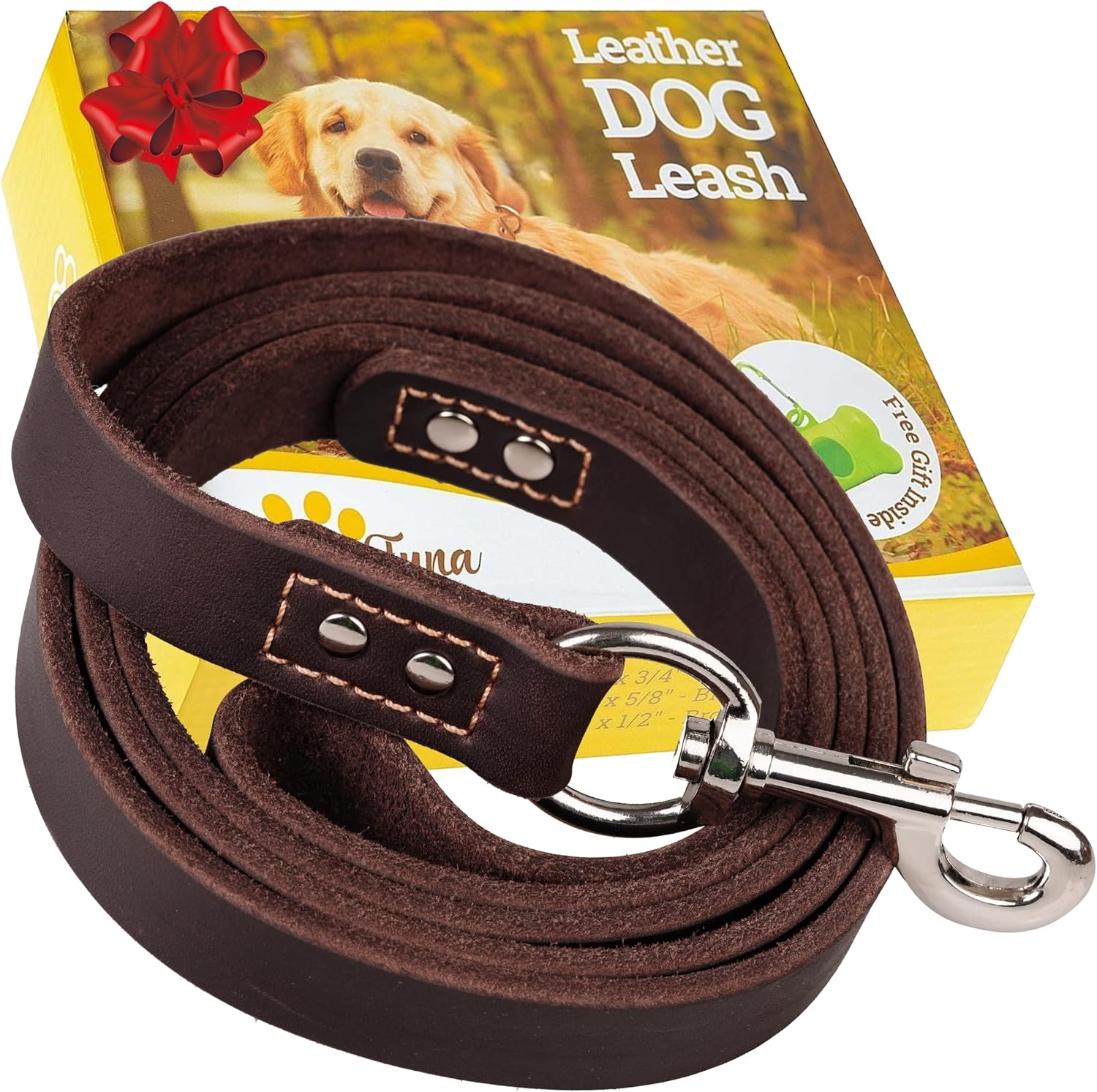
Dachshund leash walking is complicated by their body structure. Harnesses are mandatory — never use a collar that puts pressure on the cervical spine. Their short legs mean your walking pace must slow significantly, and what looks like "refusing to walk" is sometimes a dog whose stride cannot keep up. Pulling is typically directional (toward a scent) rather than sustained. Use stop-and-wait when the leash tightens, and reward check-ins.
Dachshunds have a notable tendency toward resource guarding, particularly of food, chew items, and sleeping spaces (your lap, the couch, the bed). This guarding is often tolerated because the dog is small and the growl seems harmless. It is not harmless — a Dachshund that is allowed to guard at 12 weeks will bite at 12 months. Begin trade-up exercises immediately and do not allow the dog to claim furniture or your body as a guarded resource.
Dachshunds can develop reactivity toward larger dogs, often misread as "small dog syndrome." This is a bold breed that uses offensive behavior (barking, lunging) as a defense strategy when they feel physically vulnerable. Prevent it by ensuring early positive experiences with larger dogs at safe distances. Never pick your Dachshund up when they react — this reinforces the idea that the trigger was genuinely dangerous and adds height advantage that increases barking.
Game recommendations for Dachshunds
| Status | Game / Activity |
|---|---|
| Recommended | Snuffle mats and dig boxes — fill a box with shredded paper or fabric and hide treats inside; satisfies the digging and burrowing instinct safely without destroying your yard |
| Recommended | Short scent trails indoors — drag a treat along the floor and let them track it; engages the hound nose in a controlled, low-impact activity |
| Recommended | Find-it in a low box or under a towel — hide a treat or toy and let them root it out; uses the burrowing drive at ground level with no spinal strain |
| Limit | Fetch — Dachshunds enjoy chasing but the sudden stops and directional changes create spinal compression risk; roll the ball along the ground rather than throwing it at height, and keep sessions short |
| Limit | Stair climbing games — stairs are a significant IVDD risk; never encourage stair use as a game or exercise |
| Avoid | Jumping games of any kind — jumping on and off furniture, catching toys in the air, or any activity that creates vertical spinal compression is dangerous for this breed |
| Avoid | Rough wrestling — twisting and rolling movements with an elongated spine are asking for disc injury; never roughhouse with a Dachshund |
| Avoid | Squeaky toys that trigger intense shaking behavior — the violent head-shaking "kill shake" that prey-driven dogs do with squeaky toys creates cervical spine stress in Dachshunds |
| Avoid | Tug of war — the pulling and head-shaking load the neck and spine, and tug feeds the grab-and-shake sequence this hunting breed already carries |
What Dachshund owners deal with most
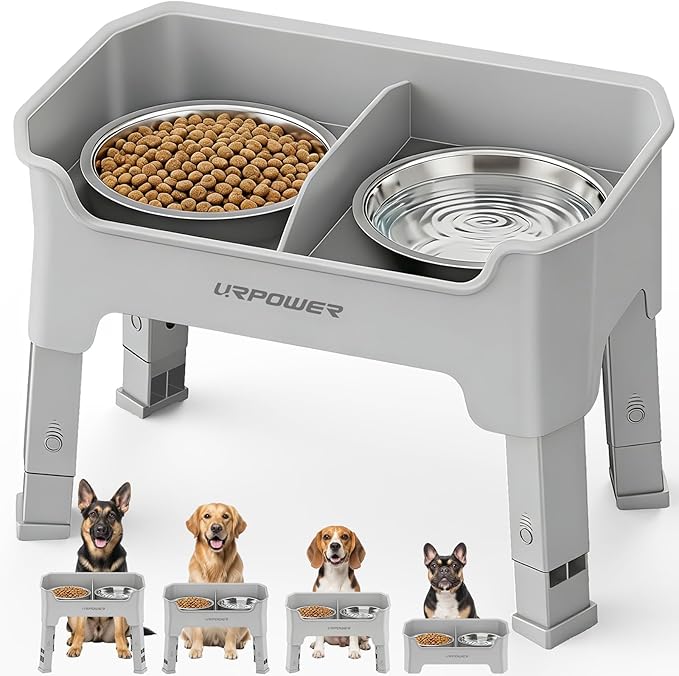
Gear for your Dachshund
What Boston Dogtor actually uses