Border Collie
The defining training reality of this breed is the off-switch, or the lack of one. Border Collies do not naturally settle. They were bred to work all day on the hill, and that drive does not turn off because you live in a townhouse. Owners who try to "exercise the energy out" produce stronger, fitter dogs that need even more exercise to feel tired. The fix is structured mental work paired with enforced rest. You are not training a dog that lacks intelligence; you are training a dog whose intelligence will outpace yours unless you channel it deliberately. Treat the brain like a muscle that needs work and recovery, not like a tank that needs to be drained.
What rewards itself, and what the world pays for
Self-rewarding (nature, harder to change): staring, stalking, and chasing motion; light and shadow chasing; tail chasing and fly snapping. These reward themselves, and that is exactly why they can become compulsions. They are the hardest group to change, so prevent them: no laser pointers, no endless fetch, and enforced rest.
Paid by the outside world (nurture, easier to change): demand barking and nudging that gets you to throw or play, and nips that keep a game going. Stop paying for them and pay for calm instead.
Both stacked (hardest): herding children and runners, and reacting to cars or bikes. The chase rewards itself and the target moving away pays it again. These are preventable with structure from 8 weeks and very hard to undo in an adult that has rehearsed them for years.
How to adapt each topic for your Border Collie
Border Collie puppies have herding nip wired into their genetics — they will target ankles, hands, and moving children. This is not aggression and the yelp method is inconsistent because high-pitched sounds can trigger the prey-chase response rather than concern. Use calm interruption with a clear verbal marker and immediate withdrawal of engagement. Redirect to structured games that use the nose rather than the mouth (find-it, place work), not to tug or squeaky toys, which compound the prey-drive problem.
Border Collies crate train well structurally but struggle emotionally if the crate is presented without enrichment. A bored BC in a crate develops frustration that can cross into compulsive behaviors. Always pair crating with mental work — frozen Kongs, snuffle balls, lickmats. The dog should be tired-brained when going in, not tired-bodied. Physical exhaustion alone is a trap.
House training is fast with Border Collies due to their intelligence and routine-orientation. Most are reliably trained by 12 weeks. Watch for stress-related accidents during major transitions or environmental changes — sensitive dogs may regress when overstimulated.
This is one of the most critical topics for Border Collies. The breed does not naturally settle, and an unsleeping puppy becomes a neurotic adult. Enforce naps aggressively through 6 months. Crate the puppy after every play and training session. Expect resistance — the drive wants more. Hold the line. An exhausted Border Collie is not a trained Border Collie; an Border Collie who has learned to rest is.
Socialization for Border Collies prioritizes environmental confidence over dog-friendliness. The breed can be naturally reserved, even sharp, with unfamiliar dogs and people. Expose to many environments, surfaces, sounds, and types of people at the puppy's pace. Avoid dog parks — the chaos overstimulates herding genetics and produces dogs that obsessively herd or chase other dogs in adulthood. Daycares are particularly destructive for this breed.
Border Collies bond intensely with their handler and can develop separation distress, but the bigger risk is the obsessive boredom behaviors that emerge during alone time. A BC left alone without enrichment will invent compulsive activities — pacing, tail-chasing, light-chasing — that persist as habits even after you return. Build alone-time tolerance early and always pair absences with substantial mental enrichment.
Border Collies are the most trainable breed alive when handled correctly and the most frustrating breed alive when not. They learn commands in 3 to 5 repetitions. The training trap is over-drilling — once a BC understands a behavior, repetition makes them disengage. Teach, proof, and move on. Build complex chained behaviors. Vary the training environment constantly. A bored BC in a training session is mentally already gone.
Border Collies are naturally attentive on leash but struggle with motion-triggered chase — cars, bikes, runners, squirrels, and other dogs all activate the prey/chase sequence. Build a strong "leave it" and engagement-on-cue from week one. The breed is also sensitive to leash pressure and responds well to clear leash communication. Walks should include structured engagement work, not just physical exercise.
Resource guarding is uncommon in Border Collies but can develop around toys and "work" objects. The bigger guarding issue is sometimes guarding their handler from other dogs — a herder controlling access to the flock. Practice trade-ups with toys and ensure other family members deliver high-value rewards to prevent handler guarding from becoming a pattern.
Reactivity in Border Collies is usually motion-triggered or noise-triggered — the herding genetics produce dogs that fixate on bicycles, skateboards, cars, and running children. This is not aggression; it is the chase sequence misfiring on inappropriate targets. Counter-condition early. Reward calm observation of moving stimuli at distance. Once a Border Collie locks in on a chase target, learning has stopped — you must work below threshold to make progress.
Game recommendations for Border Collies
| Status | Game / Activity |
|---|---|
| Recommended | Nosework and scent games — provides deep mental exhaustion that physical exercise cannot match; ideal for the breed's problem-solving drive |
| Recommended | Trick training and complex behavior chains — teach multi-step sequences (find the keys, bring them to the door); satisfies intelligence and bonds the dog to the handler |
| Recommended | Structured herding work or treibball — if access is available, this is the genetic outlet the breed was built for |
| Limit | Fetch — this breed will play fetch until they collapse, then ask for more; produces ball-obsessive dogs that cannot settle without throwing; pair with obedience and end before the dog checks out mentally |
| Avoid | Laser pointers — this is the single worst toy you can give a Border Collie; creates compulsive light-chasing and shadow-fixation that is essentially impossible to extinguish; lifelong neurotic behavior |
| Avoid | Frisbee marathons — high physical injury risk plus reinforces the same drive-without-off-switch problem as obsessive fetch |
| Avoid | Squeaky toys as primary play — amplifies prey drive and reinforces the herding chase sequence; use sparingly and only as occasional reward |
| Avoid | Tug of war — tug is grip-and-hold training: it builds jaw strength, teaches the dog to bite down and hang on, and spikes arousal; it also builds toy possessiveness and feeds the nip-and-grab end of the herding sequence |
What Border Collie owners deal with most
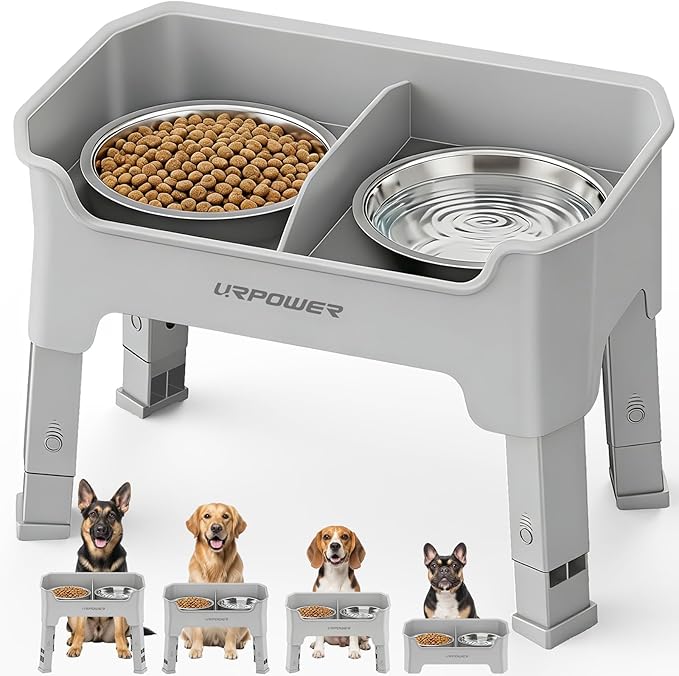
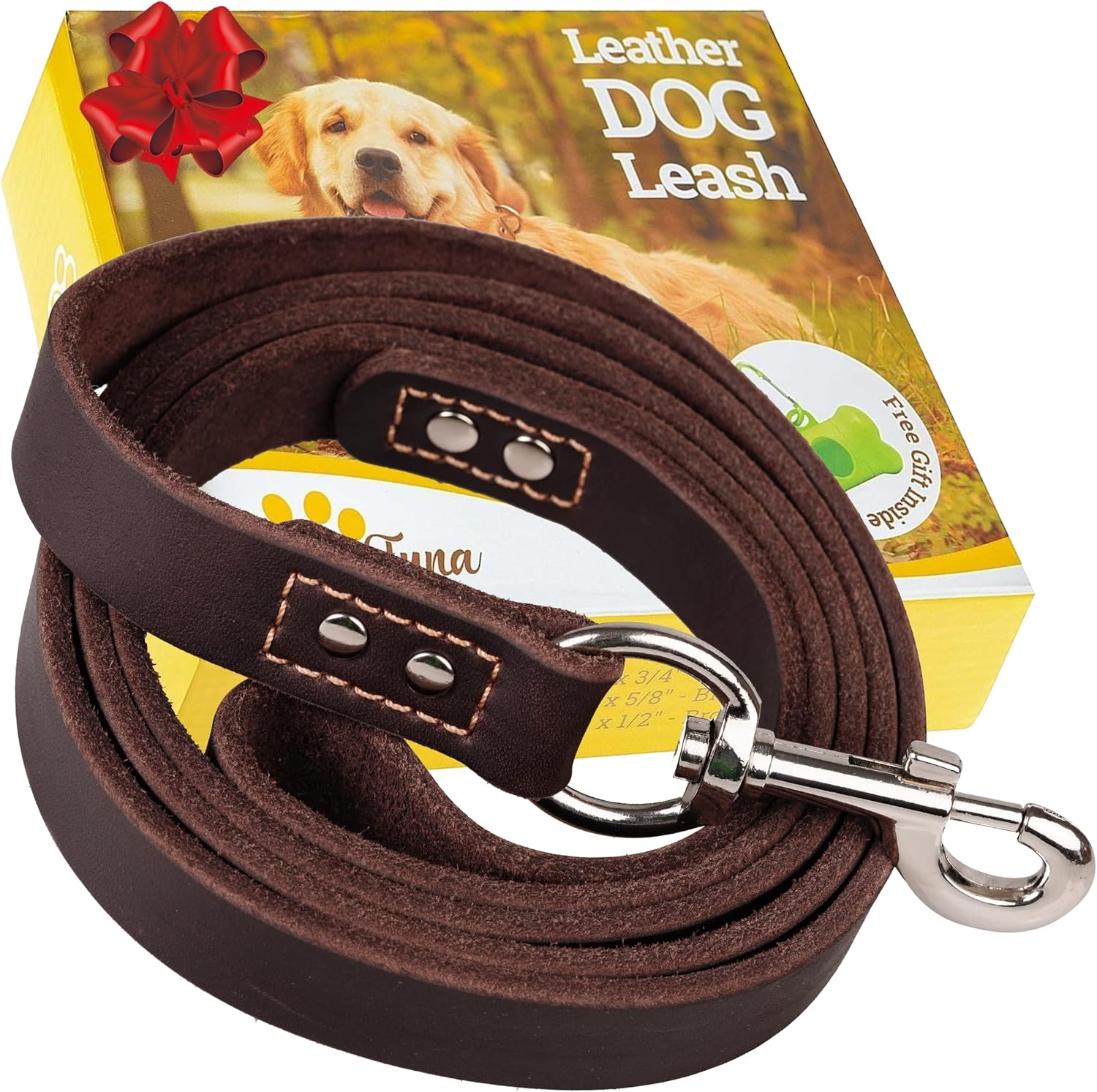
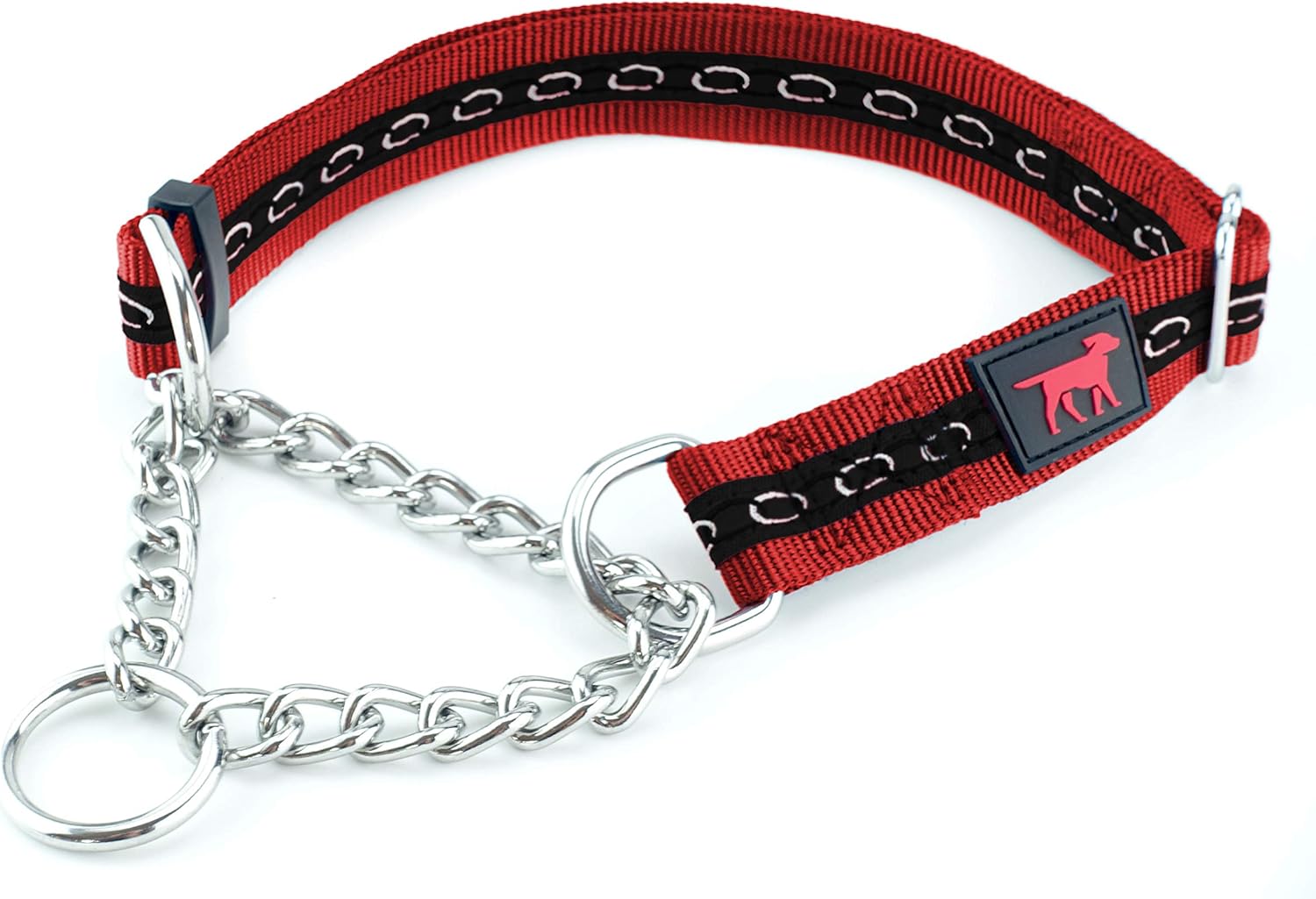
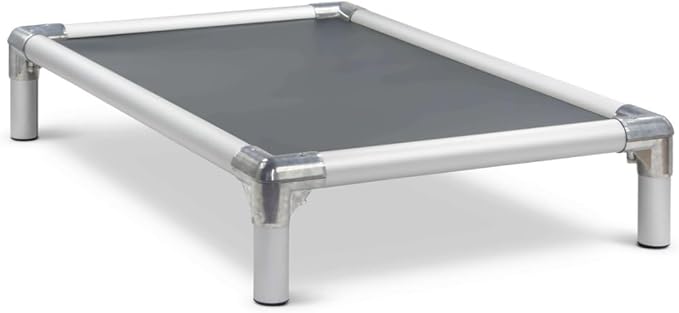
Gear for your Border Collie
What Boston Dogtor actually uses