Beagle
Training a Beagle requires accepting that you will never fully compete with a fresh rabbit trail, and building your training strategy around that reality instead of against it. Recall is the defining challenge of the breed — not because Beagles are unintelligent, but because the scent drive is stronger than any food reward you can offer in the moment. The owners who succeed with Beagles are the ones who manage the environment (long lines, secure fencing, no off-leash in unfenced areas) while building the highest-value recall association possible. The owners who fail are the ones who take the leash off at the park and are surprised when their dog is three blocks away following a squirrel trail.
What rewards itself, and what the world pays for
Self-rewarding (nature, harder to change): sniffing and following a trail, baying, and foraging for food. These are some of the most self-rewarding behaviors any dog has, so they are slow to change. Give the nose a legal job every day and do not let off-leash failures get rehearsed.
Paid by the outside world (nurture, easier to change): counter-surfing and trash raiding (the food is the payoff), and barking that brings you over. Remove the payoff and pay well for the alternative.
Both stacked (hardest): ignoring recall. Following the scent rewards itself, and every time the dog gets away with it, the outside world paid too. That is why one off-leash habit takes months to undo. Keep the long line on until recall is solid.
How to adapt each topic for your Beagle
Beagles are not particularly mouthy compared to sporting breeds, but when they do mouth, it is often connected to scent investigation — they mouth your hands because your hands smell interesting. The yelp method works reasonably well because Beagles are pack-social and responsive to social cues. Keep bite inhibition sessions short because Beagles lose focus quickly in structured training.
Beagles can be vocal in the crate — this is hound baying, not distress barking. The mistake is responding to it, which reinforces the vocalization. Crate train with high-value food puzzles that engage the nose (frozen Kong stuffed with peanut butter and kibble). A Beagle whose nose is occupied is a quiet Beagle. Place the crate away from windows where outdoor scents trigger alert baying.
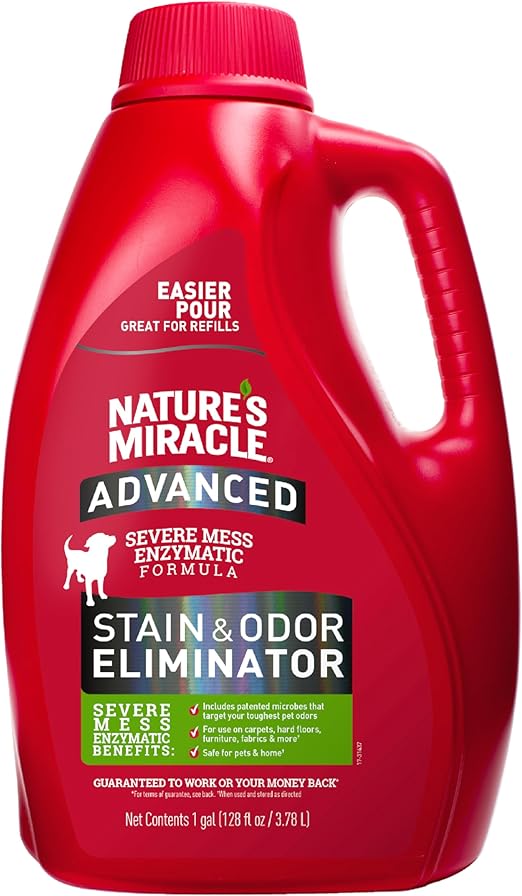
Beagles house train at an average pace, but scent marking can complicate the process, especially in males. Their powerful nose means they will revisit any spot that was not cleaned with enzymatic cleaner. Be meticulous about cleanup. Take them to the same outdoor spot each time — the existing scent will prompt elimination faster than any verbal cue.
Beagles are natural sleepers when appropriately exercised. The challenge is that their nose stays active even when they are tired, so environmental scents (cooking, other animals, open windows) can pull them out of rest. A consistent crate location away from the kitchen helps. Beagles often sleep better with a blanket or cover that reduces scent input.
Beagles are pack animals by genetics and generally social with dogs and people. The socialization priority is not friendliness — it is impulse control around scent triggers in social environments. A Beagle at a farmer's market will be overwhelmed by food smells, not by people. Socialize in scent-rich environments with the dog on leash to build the habit of checking in with the handler even when the nose is engaged.
Beagles are pack-oriented and some individuals develop separation anxiety rooted in pack isolation distress. This often manifests as sustained howling — the breed's bay carries for blocks and your neighbors will let you know about it. Address with graduated absences and consider a second dog if your lifestyle involves long work hours. Beagles genuinely do better with canine company.
Basic obedience with Beagles requires adjusting your reward hierarchy. Treats work, but the highest-value reward for a Beagle is often permission to sniff. Use "go sniff" as a release reward after compliance. Three seconds of sniff time after a good recall is worth more than any treat in your pocket. Sessions must be short — 5 to 10 minutes — because Beagles check out mentally once their nose finds something interesting.
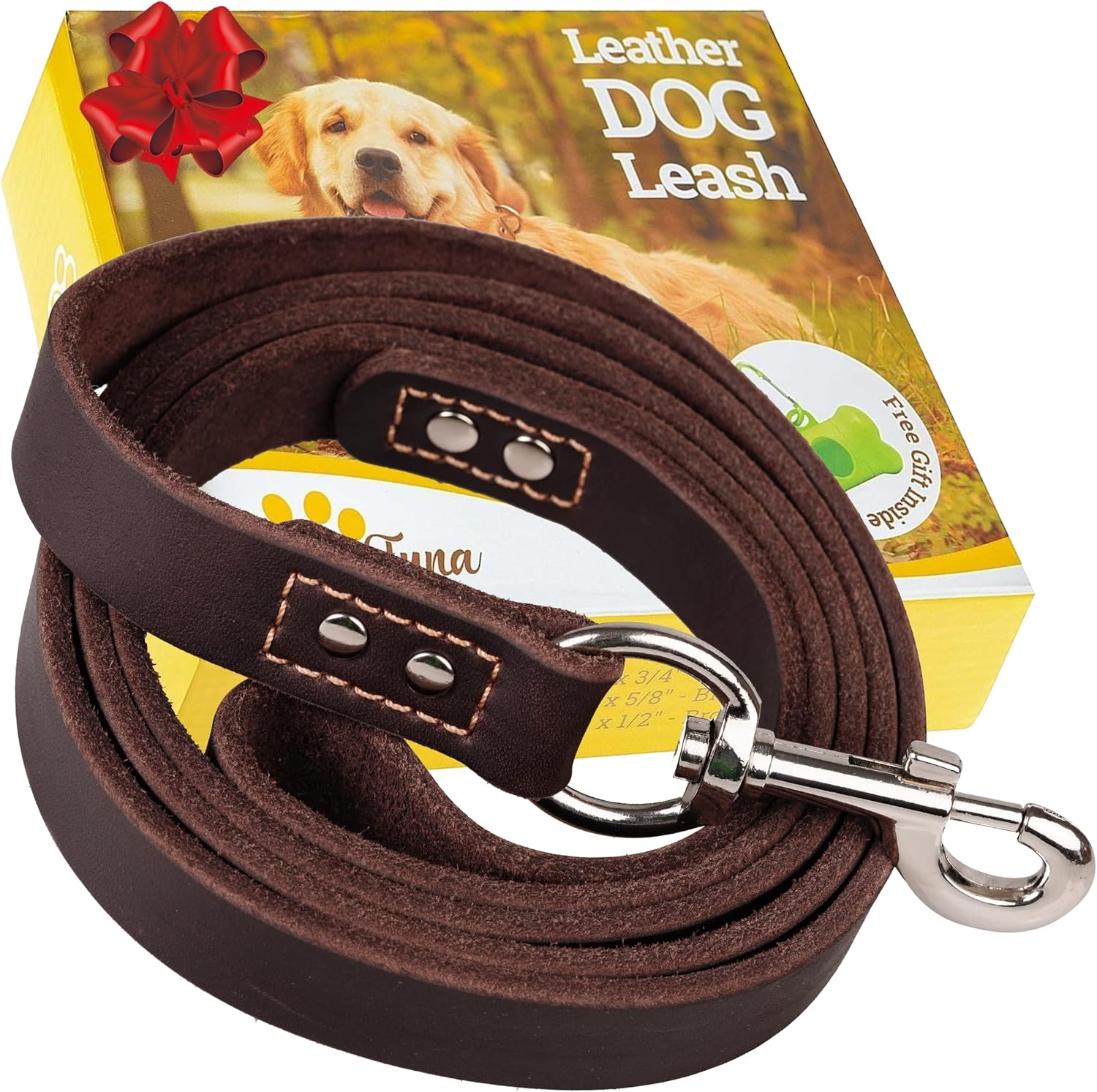
Leash walking with a Beagle is a constant negotiation between your direction and their nose. They will zigzag, stop suddenly to investigate scent pools, and pull hard when they lock onto a trail. Do not fight the nose — you will lose. Instead, designate structured walk time (loose leash, no sniffing) and sniff break time (controlled free sniffing on a long line). Alternating structure and reward keeps the Beagle engaged.
Resource guarding in Beagles typically centers on food and food-adjacent items (garbage, stolen kitchen items, found objects). Their scent drive leads them to "find" things constantly, and they may guard discoveries aggressively because scent hounds were bred to alert on found quarry, not share it. Practice trade-ups with every found item. Make "drop it" the most rewarding command in your arsenal.
Beagles rarely develop dog-directed reactivity due to their pack-social nature. What they develop is prey-directed lunging — squirrels, rabbits, cats, and anything that triggers the scent-chase sequence. This is not reactivity in the traditional sense; it is predatory behavior. Manage it with leash control and a strong "leave it" trained in low-distraction environments first. Off-leash Beagles in unfenced areas are at serious risk of bolting into traffic.
Game recommendations for Beagles
| Status | Game / Activity |
|---|---|
| Recommended | Nosework and scent trails — hide treats in progressively difficult locations; this is the single most satisfying activity for a Beagle and provides deep mental exhaustion |
| Recommended | Snuffle mats and scatter feeding — replaces bowl feeding with scent-driven foraging that satisfies genetic drive during every meal |
| Recommended | Tracking games outdoors — drag a treat-scented cloth through the yard and let the Beagle follow the trail to a jackpot reward; channels hunting instinct constructively |
| Limit | Fetch — most Beagles are mediocre retrievers because the breed was not built for it; they will chase but rarely return reliably; use sparingly and do not rely on it for exercise |
| Avoid | Off-leash chase games in unfenced areas — a Beagle that runs will follow its nose and may not return for hours; never play chase games without secure fencing |
| Avoid | Squeaky toys that simulate prey sounds — amplifies prey drive in a breed already prone to chasing small animals; increases the bolt-and-chase risk during outdoor time |
| Avoid | Tug of war — does nothing for a scent hound's real drive and teaches grab-and-hold instead; give the nose a job, not the jaw |
What Beagle owners deal with most
Gear for your Beagle
What Boston Dogtor actually uses