American Bully
The defining training and welfare reality is the gap between muscle mass and work drive. Bullies are built like athletes but were not bred to perform like athletes, and the more extreme builds (Pocket, XL, Exotic) carry significant structural and respiratory limitations. Many Bullies are functionally brachycephalic to a moderate degree, with shortened muzzles, heavy fronts, and thick necks that produce overheating, exercise intolerance, and breathing distress under exertion. Owners who try to give their Bully "pit bull amounts" of exercise often run into physical limits the breed cannot push through. Train smart, watch for respiratory signs, and respect the build.
What rewards itself, and what the world pays for
Self-rewarding (nature, harder to change): greeting, social contact, and chewing. Being with people is rewarding in itself, which is why greetings get so big.
Paid by the outside world (nurture, easier to change): leash pulling toward people (it gets the dog there), demand barking when left alone that brings someone back, and attention-seeking that gets a response. Change the payoff and these move quickly.
Both stacked (hardest): jumping on people. The excitement rewards itself and the attention pays it again, and at 70 pounds that is a problem, so start early. Resource guarding shows up in some lines; prevent it with trade-ups from week one.
How to adapt each topic for your American Bully
American Bully puppies mouth at a moderate intensity — harder than a Lab, softer than an APBT or Mal. The yelp-and-withdraw method works well because Bullies are socially attuned and bond-motivated. The key is consistency — with their build, an adult Bully that mouths during play can hurt children or knock down adults even without aggressive intent. Lock bite inhibition in by 16 weeks like every breed.
Bullies crate train easily due to their companion-bred temperament and desire for routine. The unique consideration is ventilation — the broader build and shortened muzzle in many Bullies means they overheat in poorly ventilated crates. Never use a covered crate in a warm room. Choose a wire crate with airflow and watch for heavy panting that signals heat stress rather than emotional distress.
House training is straightforward. Bullies are food-motivated, eager to please, and respond well to consistent scheduling. Most Bully puppies are reliably house trained by 14 weeks. The watch-out is that exercise intolerance can confuse owners — a Bully that refuses to go out in heat or rain is not being defiant; they may genuinely be uncomfortable. Build a covered or shaded outdoor potty area for hot weather.
Bullies sleep more than APBTs and significantly more than working breeds. Adult Bullies often log 14 to 16 hours of sleep per day. Enforced naps for puppies are still important but easier — this breed values rest. The bigger challenge is teaching them to settle without you on the couch, because the companion drive wants constant body contact. Crate train through this so you do not create a 75-pound velcro problem.
Bullies are genuinely friendly with people and most dogs — this is what they were bred for. Socialize broadly but watch the build during play. A Bully wrestling with a Lab puppy can injure itself or the other dog due to mismatched body styles. Avoid rough play with significantly larger or rougher-playing dogs. Despite the friendly genetics, individual dogs vary, and adolescent dog-selectivity can still appear in lines closer to APBT ancestry.
Separation tolerance is a real risk because Bullies were bred specifically for human companionship. They want to be with you. Build alone-time tolerance from week one with graduated absences and frozen Kongs. The destruction risk if separation anxiety develops is significant given size and bite force. Address early signs immediately rather than hoping the dog "grows out of it." They do not.
Bullies are eager learners with strong food and praise drive. Standard obedience methods work well — sit, down, place, come, leave it. The training trap is that Bullies are charming, and owners excuse non-compliance because the dog is "such a sweet boy." A 75-pound dog that does not respond to recall is a dangerous dog regardless of temperament. Train obedience as a functional necessity, not a cute trick.
Leash pulling is common because Bullies are social and want to greet every person they see. The build means they can pull hard despite moderate energy. Start loose-leash training on day one. Front-clip harnesses help, but the real work is teaching engagement on leash. Watch for heat stress on warm-weather walks — the broader build does not dump heat efficiently and Bullies can cross into respiratory distress quickly.
Resource guarding is uncommon in well-bred Bullies but does appear in poorly bred lines that crossed in too much working stock or backyard-bred dogs with stability issues. Practice trade-ups with food and items from week one. If you see stiffening or growling at 8 to 12 weeks, address it immediately rather than waiting. Bite force in this breed is significant.
Bullies are one of the lowest-reactivity bully-type breeds when properly socialized. Frustration-based reactivity (wanting to greet, can't) is more common than fear or aggression-based reactivity. The fix is the same as with Labs — teach calm observation and reward disengagement from triggers starting at 10 weeks. Despite the friendly temperament, BSL realities mean a reactive Bully creates legal liability in many jurisdictions. Take reactivity prevention seriously.
Game recommendations for American Bullys
| Status | Game / Activity |
|---|---|
| Recommended | Find-it and search games — hide food or a toy and let the dog work it out with its nose; a full mental workout with no cardio demand and no grip work |
| Recommended | Puzzle feeders and snuffle mats — mental enrichment without respiratory demand, ideal for warm weather or extreme builds |
| Recommended | Short obedience sessions with food rewards — leverages strong food drive and bond drive simultaneously, builds reliability across the day |
| Limit | Fetch — many Bullies enjoy chasing but the cardio demand exceeds their build, especially in heat; limit to short sessions on cool days |
| Limit | Wrestling with other dogs — build mismatches create injury risk for both dogs; supervise closely and end sessions before arousal escalates |
| Avoid | Extended exercise in warm weather — brachycephalic-leaning builds overheat fast; heat stroke is a genuine medical risk in this breed |
| Avoid | Flirt poles — chase-and-grab on a moving lure rehearses prey and grip behavior, and the sprinting and turning are hard on a front-heavy build |
| Avoid | Treadmill or weight pull work without veterinary clearance — popular in the Bully world but inappropriate for many extreme-build individuals |
| Avoid | Tug of war and hanging games — tug is grip-and-hold training: it builds jaw strength, teaches the dog to bite down and hang on, and spikes arousal. In a grip-bred breed those are genetics to keep quiet, not to train |
What American Bully owners deal with most
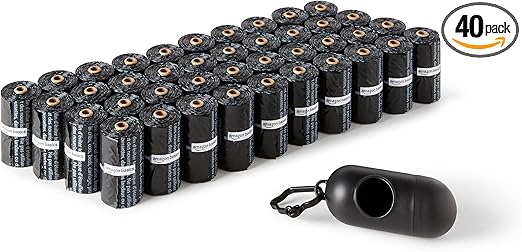
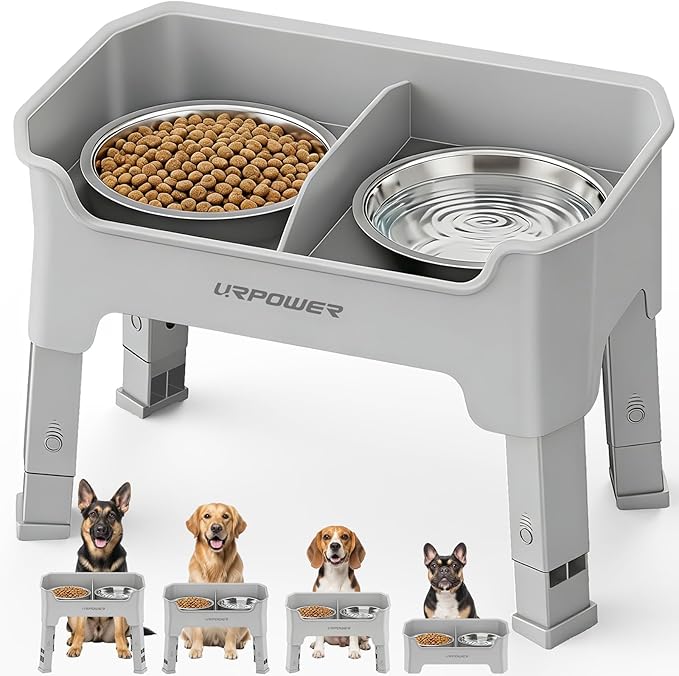
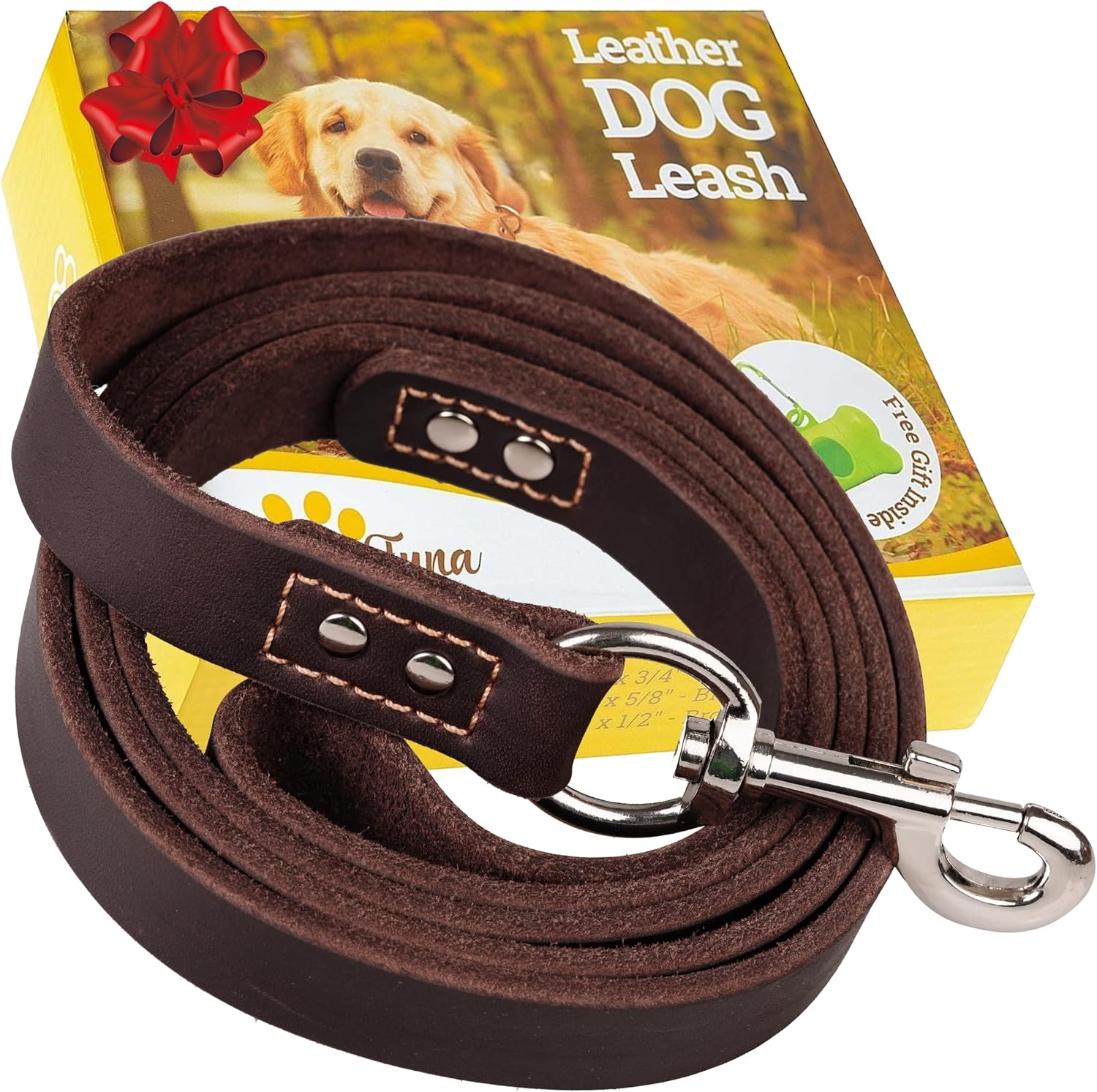
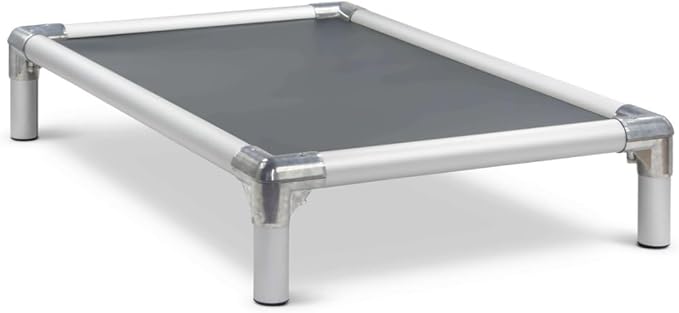
Gear for your American Bully
What Boston Dogtor actually uses